John Oliver is a tremendously talented comedian. Unfortunately he’s also an abortion extremist and he has no intellectual honesty. Recently on his HBO show Last Week Tonight, Oliver set his sights on Crisis Pregnancy Centers. He painted a very bleak, and very inaccurate, picture of CPCs. He suggested that they’re full of nasty, dishonest people that just want to control women. Here is a breakdown of his biggest lies, spin, and deception.
Estimated reading time: 16 minutes.
#1: Oliver flagrantly, and knowingly, takes Abby Johnson out of context
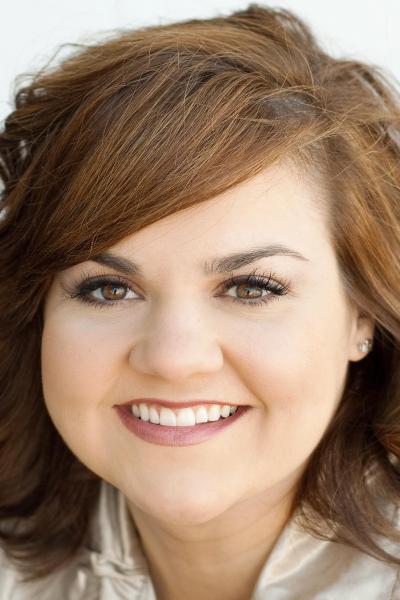
Abby Johnson
This segment features two quotations from pro-life advocate Abby Johnson, speaking at a 2012 conference for Heartbeat International (it’s also worth noting that Oliver exclusively refers to her as a pro-life activist and never mentions the fact that she is also a former director of a Planned Parenthood). I interviewed Abby after Oliver’s hit piece came out, and she explained that Oliver’s producer reached out to her via email while they were writing their segment. He told her they were writing a piece on Crisis Pregnancy Centers and that he had some quotations from her that they wanted to use but that he wanted to talk to her first. Abby said he was extremely friendly on the phone and that he came off like he was listening to what she was saying. He asked her to give him context for the quotations they were using, which is particularly damning because they still used both quotations completely out of context.
Oliver sets up the first quotation by saying:
Way too often, women are being actively misled while trying to access healthcare. And CPCs seem happy to have women confuse them for abortion clinics. Just listen to Abby Johnson, an anti-abortion activist addressing a conference for one of the largest CPC organizations.
Then he gives the Abby Johnson quotation:
We want to appear neutral on the outside, The best call, the best client you ever get is one that thinks they’re walking into an abortion clinic. Okay? Those are the best clients that could ever walk in your door or call your center–the ones that think you provide abortions.
But Abby wasn’t talking about actively misleading clinics. Abby told Oliver’s producer that she has never encouraged a center to lie about what they do. Pro-life advocates think that lives are on the line so of course we’ll do everything we can while remaining moral to try to get the abortion-minded woman into the center. She has options other than abortion and we have good reason to believe abortion facilities won’t fairly present those options to her. Let’s focus on Planned Parenthood for a moment because they are the largest provider of abortions and we have the most data about them.

 Every other Wednesday we publish a new episode of the Equipped for Life Podcast, available to everyone who purchases our course, “Equipped for Life: A Fresh Approach to Conversations about Abortion.” Generally, these podcast episodes won’t be available to the general public, but we plan on releasing short clips from the episodes every Thursday, to give you a sense of what these podcasts are like.