On Being Wrong

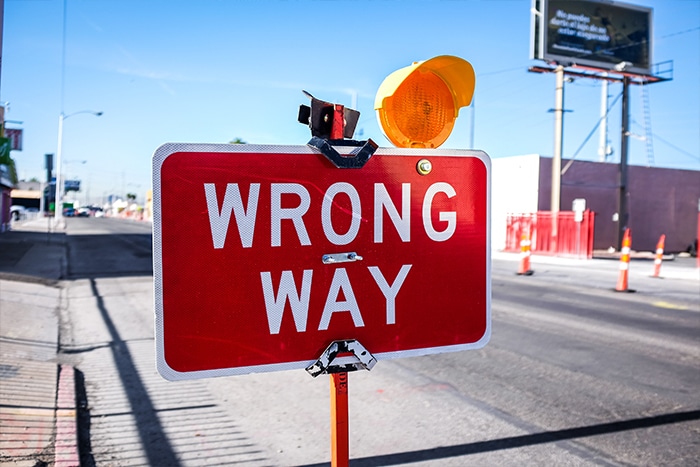
Wrong Way sign

Estimated reading time: 6 minutes

I don’t like to be wrong.

I suppose no one likes to be wrong, but I have a particular revulsion to it. (I’m sure there’s some deep-seated reason for that which my wife, the mental health counselor, could explain, but that’s beyond the scope of this post.) As much as it’s in my power, I try to avoid being incorrect about anything.

Yes, I’m lots of fun at parties.

Of course, one could fairly wonder how my intolerance for being wrong squares with open-mindedness, which is held in very high esteem at ERI. The answer is this: I think most people conceive of open-mindedness in a way that doesn’t recognize the importance of holding strong convictions in the first place.

Parthood, Personhood, and Bodily Rights

In a series of papers—”Lady Parts,” “Were You a Part of Your Mother,” and “Nine Months”—Elselijn Kingma develops and defends the parthood view of pregnancy: that human fetuses are literally a part of the gestating woman’s body.

If your mouth is slack and your eyes are squinting, yes, that was my first reaction, too.

If you have moved on from straight-up confusion to worrying about the implications for the abortion debate, that was my second reaction.

But let me invite you to move through reactions one and two and into reaction three: this claim is super interesting, plausible, and makes the case against abortion stronger.

Baby feet in persons hands

Estimated reading time: 10 minutes

Should We Care Whether Abortion Affects Fertility and Future Pregnancy Outcomes?

Does induced abortion affect future fertility and pregnancy complications? This question often cannot be answered without individuals, perhaps even inadvertently, wading into political commentary on abortion. Answers are often clouded by political agendas and funding sources, and co-opted and spun by either side of the abortion debate to push their own narrative.

On the pro-life side, I’ve sometimes seen the affects of abortion on fertility talked about like a horror story, showcasing a uterine perforation or the need for a hysterectomy because of a botched abortion, with nary a citation to help understand how often these outcomes happen. I’ve also experienced pro-life people unable to explain how, exactly, abortion can effect fertility. Talking about how bad abortion is for women can come across as a fear-mongering tactic in these kinds of situations and can make pro-life people seem ignorant. 

On the other side, you have pro-choice people who will outright deny abortion does any harm at all to women’s fertility or that it can affect future pregnancies. You’ll see them hail how safe abortion is and how rare complications are, often with a decontextualized citation, or claim that it’s irrelevant because abortion is safer than childbirth (which isn’t true, by the way). They can come across as blasé in their total denial, making abortion sound too good to be true. 

So…should we care about the answer to this question? What is the answer, and what should be done about it? 

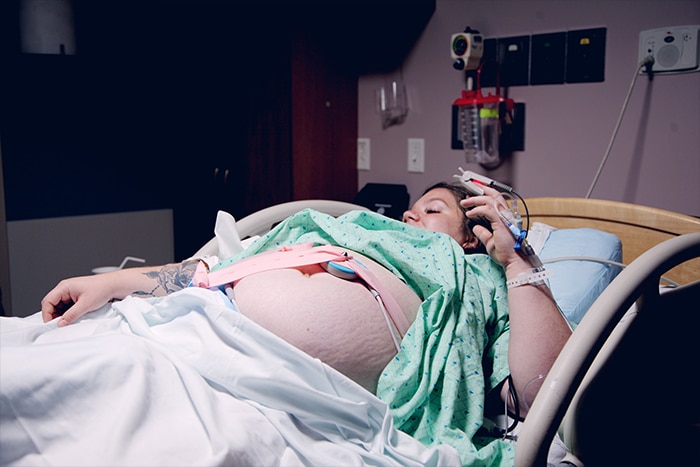
Woman laying in hospital bed with fetal monitor on

Estimated reading time: 12 minutes

How to Find Underlying Assumptions in Dialogue about Abortion

Pro-choice people often bring underlying assumptions to the table when discussing abortion. Most of the time, while these assumptions play an important part in how they justify their position, they won’t say them out loud and may not even be able to articulate them. If we don’t reveal and confront these hidden premises in our conversations about abortion, we have a much smaller chance of getting a pro-choice person to think differently about abortion. 

People looking at underside of bridge

Estimated reading time: 5 minutes

Sealioning: The Fastest Way to Shut Down Dialogue

Estimated reading time: 11 minutes

Social media brings out the worst in people. Many people take the opportunity to spew their thoughts onto the screen with relative anonymity and little self-reflection. This has wreaked havoc on civil communication for the past decade, leaving hateful comment threads and a tendency to always assume the worst of intentions in its wake. We have many colorful words for obnoxious people who harass others on the Internet, from “trolls” to “gaslighters.” A few weeks ago, I was introduced to a new term: the “sea lion.”