Relevant Magazine
January 2, 2015
January 2, 2015

After going through the fire of 3,000+ conversations with pro-choice people, we’ve learned a lot of things that create an environment in the conversation where the other person is more likely to change their mind. These are some of those nitty-gritty dialogue tips.
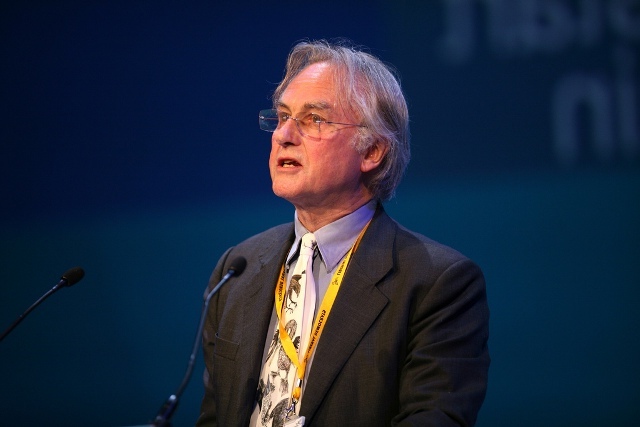 As you may have heard, the Twitterverse exploded in late August when Richard Dawkins tweeted that it would be immoral to not abort a baby diagnosed with Down Syndrome.
He wrote a blog post clarifying his views the following day, and I wrote an article to help pro-life people understand what Richard Dawkins actually believes. I explained that while his view is offensive and I disagree with it, it does follow naturally from Dawkins’ beliefs that first-trimester babies are not yet persons.
Here is an excerpt from the article on why I wrote it:
Just like in any dialogue with a pro-choice person, we should start by trying to understand Dawkin’s views, and after what I’ve seen on social media in the last week, I’m concerned that many pro-life people don’t get where he’s coming from. We should be trying to figure out the answer to this question: Why is Dawkins particularly in favor of abortion when the child is diagnosed with DS? (I’ll give you a hint: It’s not that he hates people with DS)
I strongly disagree with Dawkins’ views on abortion, but now that I’ve read his article, I’m going to try to explain why I believe his view isn’t as offensive as his first tweet was. One of the reasons we launched Equal Rights Institute is to help pro-life and pro-choice people to have better dialogues. I believe a necessary condition of having a good dialogue is accurately understanding what the person in front of you actually believes, which is rarely clear in the beginning of a conversation. I think trying to get into Dawkins’ shoes will be a good exercise.
To read the rest of the article, go to EqualRightsInstitute.com/Dawkins.
The day after I published the article, Richard Dawkins himself retweeted it to his one-million followers.

This is a guest post by my formerly pro-choice friend Deanna Unyk. Read more about how she became pro-life here. Read about our upcoming event in Portland here.
“After Tiller” is a documentary that follows the lives of the remaining four late-term abortion providers in the United States. It chronicles their family lives, what they were doing before they started performing abortions, as well as the kinds of harassment and threats they have been the victims of at the hands of pro-life activists. The documentary also interviews women who came in for late-term abortions.
Watch the trailer below:
This is a very pro-choice documentary, but there are several reasons why I think it is important for pro-life people to watch it with compassion.
 The compassionate thoughts that this movie encourages can help us to interact in a compassionate manner when we encounter abortion providers and post-abortive people. Acting compassionately towards others is both a pragmatically wise and the morally good thing to do. It is pragmatically wise for the pro-life movement to treat abortionists and post-abortive women with compassion because we want pro-choice people to hear us out, consider our reasoning, and eventually agree with us. Nobody is going to want to do that if they think we’re all jerks.
“The Antidote for Pro-Life Weirdness”
by Houston Baptist University
Sorry, listening to the audio on this website requires Flash support in your browser. You can try playing the MP3 file directly by clicking here.
“Let no man pull you so low as to hate him.”
Sitting in on Houston Baptist University‘s podcast was one of the highlights of this year. So grateful for the opportunity to discuss effective pro-life dialogue techniques with Dr. John Mark Reynolds and Cate MacDonald.
Download the podcast here, and subscribe to it while you’re at it. I’ve listened to about half of their archive in the last few weeks.
Questions: