“It’s easy to just denounce the other side as evil. It’s hard to listen to them. It’s hard to try to understand them. It’s risky to treat the other person like a decent human being because then you might have to take them seriously. It’s always more comfortable to dehumanize someone you disagree with, and make no mistake, thinking of someone as though they are Snidely Whiplash dehumanizes them. If you don’t like it when pro-choice people dehumanize the unborn, then you have no business dehumanizing pro-choice people.”
There is a long list of steps pro-life advocates would like to see their pastor take to stop abortion, and, unfortunately, pastors find that list intimidating. They can’t do everything, and they often don’t feel like anything that they can do would actually make a difference. I’d like to suggest one minimal (and not even controversial) leadership decision that pastors can make that is likely to save lives within their congregations.
My view of what church leaders should do about abortion has evolved over 13 years of full-time pro-life work. I used to get very angry when I thought about pastors who are silent on this subject, because I earnestly believed that most of them were either cowards or shamefully apathetic to a serious evil in our country. I had a bad experience nine years ago with a pro-abortion-choice usher at one of the largest Protestant churches in Fresno, California who debated me about abortion in the foyer while her pastor preached. When I later told the story on the pro-life podcast I hosted, I needed to physically stand up because I was so frustrated by the experience.
I’ve since calmed down a bit, thanks partially to Scott Klusendorf. I remember that, when Scott was writing his book The Case for Life, he told me that he wanted to take a different approach with silent pastors. Instead of lecturing them, he wanted to come beside them, realizing that many of them aren’t doing anything because they don’t know what they should do.
I’ve since tried to emulate Scott’s attitude toward pastors. That’s become easier as I’ve talked to more pastors and parish priests who struggle with what to say about abortion. For many of them, their silence is not due to cowardice or apathy, but due to a very understandable concern of emotionally damaging their congregants whom they know are post-abortive. I’m not saying that the best response to that fear is silence on abortion. I’m merely acknowledging that when a pastor is shepherding hundreds of people, and he knows that some of them are post-abortive, it’s at least understandable for him to be very concerned for their well-being if someone says something in church that equates abortion to killing babies.
Click the video below to watch a video version of this article.
For more of the context of this quotation, click here to read the full article, ” Choosing Unity: The Pro-Life Movement After November 8th.”:
Last week marked the four-year anniversary of the launch of Equal Rights Institute. It’s been a busy year!
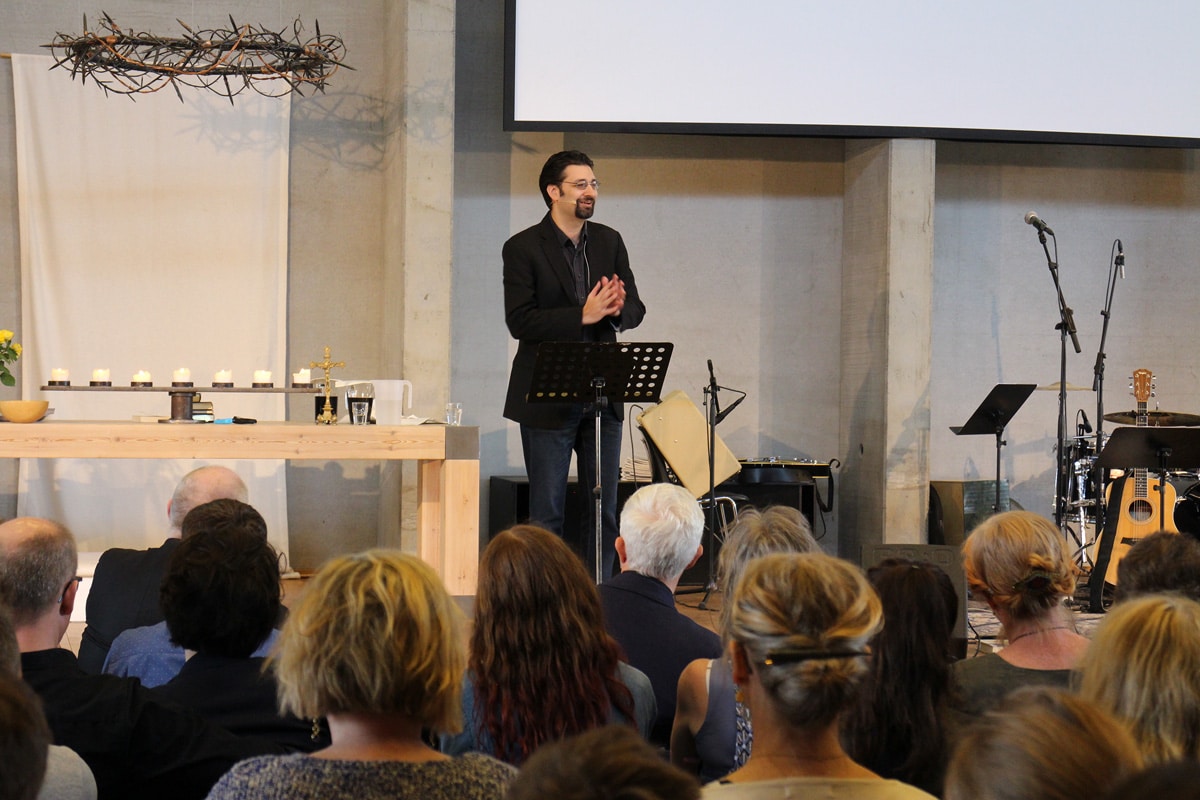
We spoke to 2,465 people in 29 speeches and one all-day seminar, representing a 17% increase in how many people we spoke to in the last year. (We rarely do seminars now that the course is out. Now we encourage groups to get the course and then consider flying one of us out for Q&A and roleplay exercises.)
We also published 25 new articles to our blog, a 92% increase from last year, which were read by 32,084 people, a 13% increase from last year. (And those analytics aren’t even accurate, given that due to a huge website error we just fixed, we’re missing two full months of data. Therefore the actual increase in readership is larger than what we’re seeing.)
Here are a few of my favorite memories from the last year:
Training the staff and volunteers of Denmark Right to Life to have better dialogues with pro-choice people.